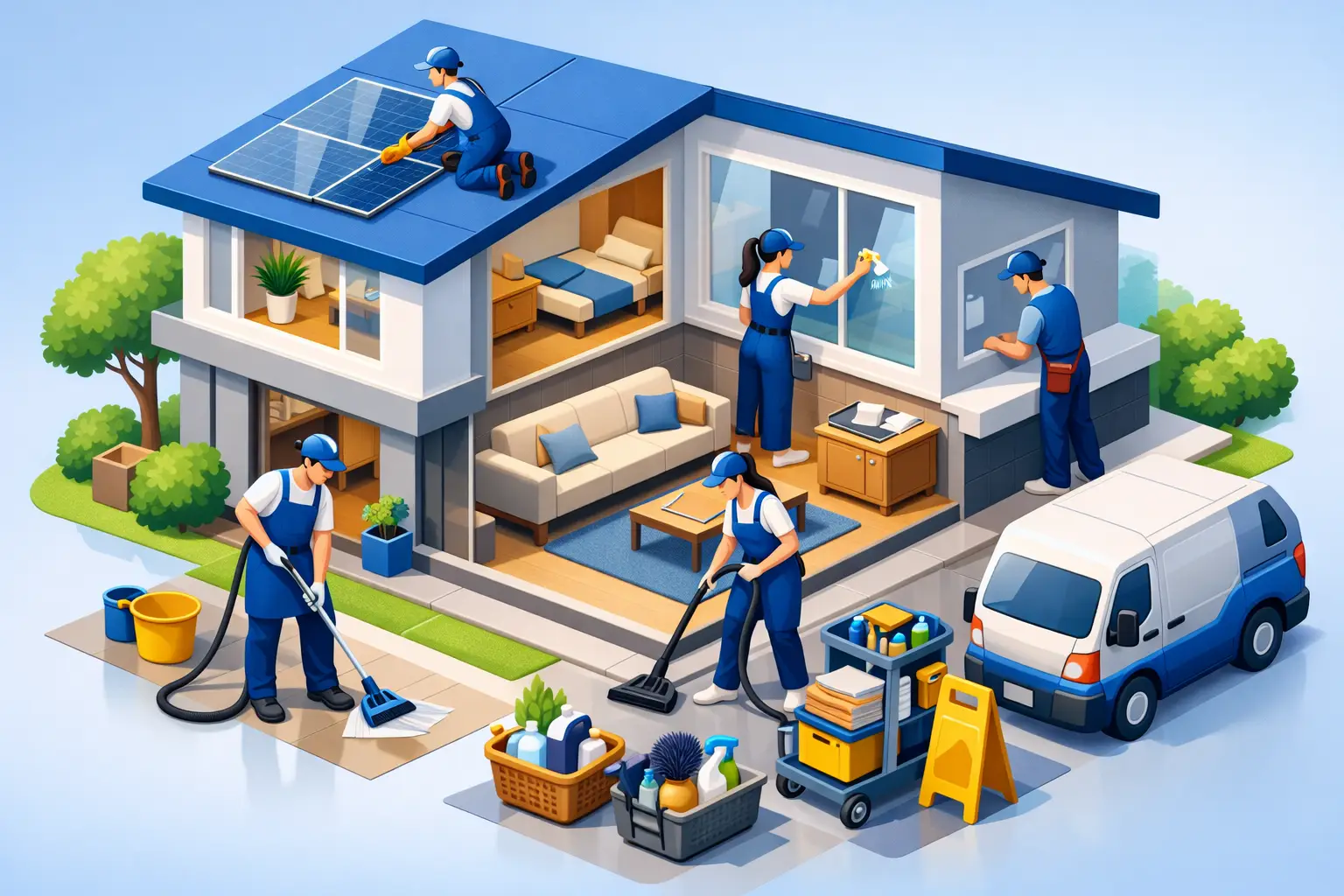
A clean kitchen at 7 a.m., freshly made beds before guests arrive, and a bathroom that feels reset after a long week can change the rhythm of a home. Homeowners searching for “what is residential cleaning services” are usually looking for more than a definition. They want to know what help looks like in practice, what to expect from a visit, and whether outsourcing cleaning will genuinely make life easier.
Residential cleaning services provide professional cleaning for private homes, apartments, condos, and similar living spaces. The goal is simple: maintain a comfortable, orderly home without asking you to spend your limited free time managing every surface, room, and chore.
What Are Residential Cleaning Services?
Residential cleaning services are scheduled cleaning appointments designed for households rather than commercial properties. A trained cleaning professional or team completes agreed-upon tasks in your home, often on a one-time, recurring, or customized basis.
The exact scope depends on the service selected and the condition of the home. A routine visit may focus on keeping high-use spaces consistently clean. A deeper appointment may address buildup in kitchens and bathrooms, baseboards, detailed dusting, and other areas that do not always fit into a weekly routine.
For busy homeowners, the value is not only the cleaning itself. It is the consistency of knowing the work is scheduled, the details are clear, and the home can be cared for without another item being added to an already full calendar.
What a Typical Home Cleaning Includes
A standard residential cleaning generally focuses on the areas that affect everyday comfort most: kitchens, bathrooms, bedrooms, and living spaces. Professionals commonly dust accessible surfaces, vacuum floors and rugs, mop hard floors, wipe counters, clean sinks and mirrors, empty trash, and tidy the visible areas of the home.
Kitchen service often includes wiping countertops, exterior cabinet surfaces, appliance exteriors, the stovetop, and the microwave interior. In bathrooms, cleaners typically sanitize toilets, tubs or showers, sinks, fixtures, and mirrors. Bedrooms and living areas usually receive dusting, vacuuming or mopping, and general straightening of accessible surfaces.
That said, “standard cleaning” is not a universal checklist. Some providers include bed-making, while others treat it as an add-on. Interior oven cleaning, refrigerator cleaning, laundry, dishwashing, interior windows, and organizing are often separate services because they require more time or a different level of detail. Reviewing the booking details before confirming service prevents assumptions on both sides.
Standard, Deep, Move-In, and Recurring Cleaning
The right type of service depends on where your home is now and how you want it to feel afterward.
Standard cleaning
A standard cleaning is designed for ongoing maintenance. It works well for homes that are already in reasonable condition and need regular attention to stay that way. Many households book weekly, every two weeks, or monthly visits based on family size, pets, work schedules, and personal preference.
Biweekly cleaning is often a practical middle ground for working households. It keeps kitchens and bathrooms from becoming overwhelming while still giving the home a dependable refresh between visits. Weekly service can make sense for larger families, frequent entertainers, pet owners, or anyone who prefers a consistently polished home.
Deep cleaning
Deep cleaning is more detailed and more time-intensive. It is often the right starting point before recurring service, especially if the home has not been professionally cleaned recently. This appointment may include careful attention to buildup, neglected edges, detailed bathroom work, and surfaces that are not part of a light maintenance visit.
A deep clean does not mean every object in the house will be moved or every storage area will be organized. It means the cleaning scope is more thorough. Clear communication about priorities matters, particularly if you want extra focus on a primary bathroom, kitchen, pet hair, or high-touch areas.
Move-in and move-out cleaning
Move-related cleaning prepares a property for its next chapter. Move-in cleaning helps make a new home feel ready before furniture and boxes arrive. Move-out cleaning focuses on leaving a space clean after belongings have been removed.
These appointments are often more comprehensive because empty rooms reveal dust, residue, and overlooked areas. Requirements can also vary when a landlord, property manager, or buyer is involved, so it is wise to confirm exactly what is needed rather than assuming a standard checklist will meet every expectation.
How Residential Cleaning Services Work
A well-run cleaning service should feel organized from the first booking through the completed appointment. You select the service type, provide key home details, choose an available date and time, and receive confirmation of the booking. For recurring appointments, the same process becomes even simpler because your preferred schedule is already established.
Before the visit, a provider may ask about the number of bedrooms and bathrooms, pets, parking, access instructions, and any areas that need special attention. These details help set a realistic timeframe and allow the cleaning team to arrive prepared.
On the day of service, cleaners work through the agreed scope using appropriate products and tools. The most dependable experience comes from clear service standards, coordinated scheduling, and a straightforward way to manage changes. With a technology-enabled platform such as Sparkly Squad, homeowners can book, confirm, and manage appointments without the usual back-and-forth of phone calls and scattered messages.
After the appointment, take a few minutes to walk through the home while the work is fresh. If something needs attention, notify the provider promptly and respectfully. Reputable companies want clear feedback because it helps them maintain the quality and consistency you expect.
What Residential Cleaning Does Not Always Cover
Professional cleaning is highly useful, but it is not the same as housekeeping, home organization, restoration, or maintenance work. Most cleaning appointments are not intended to handle heavy clutter, hazardous materials, mold remediation, pest removal, lifting heavy furniture, or repairs.
It also helps to distinguish cleaning from organizing. A cleaner can wipe the countertop and make the room look refreshed, but deciding where papers, toys, clothing, or personal items belong usually requires the homeowner’s direction. If clutter is substantial, setting aside time to clear surfaces before the appointment allows the cleaning team to spend more time on actual cleaning.
Special requests are often possible, but they should be discussed before booking. This is particularly true for delicate materials, heirlooms, specialty stone, high-value items, or homes with product sensitivities. A good provider will be transparent about what can be accommodated and what may require a specialist.
Choosing a Service You Can Rely On
The lowest price is not always the best value. Residential cleaning is an in-home service, so reliability, communication, and clear expectations carry real weight. A polished booking experience is helpful, but it should be matched by organized operations behind the scenes.
Look for a provider that makes its service scope easy to understand, confirms appointments clearly, and gives you a simple way to update booking details. You should know what is included, how long the appointment is expected to take, and how to reach support if your plans change.
Trust also comes from consistency. Ask how the company manages scheduling, cleaner coordination, quality feedback, and access instructions. If your household has pets, children, allergies, or rooms that should remain off-limits, make those preferences known early. The right service will treat those details as part of the job, not as an inconvenience.
Getting the Most From Your Cleaning Appointment
You do not need to clean before professionals arrive. That would defeat the purpose. However, a small amount of preparation helps the appointment stay focused on the work you are paying for.
Put away loose clothing, paperwork, and personal belongings from floors and counters where possible. Secure pets if they may be anxious around new people or cleaning equipment. Share entry, parking, alarm, and building-access instructions in advance, and mention any surfaces or products that require special care.
Most importantly, be clear about your priorities. Perhaps you care most about a spotless kitchen, a calm primary bedroom, or bathrooms that feel hotel-fresh. A cleaning team can work more effectively when they understand what makes the biggest difference in your daily life.
Residential cleaning services are ultimately a practical form of household support. The best arrangement is one that fits your schedule, respects your home, and gives you back time for the people and routines that matter most.