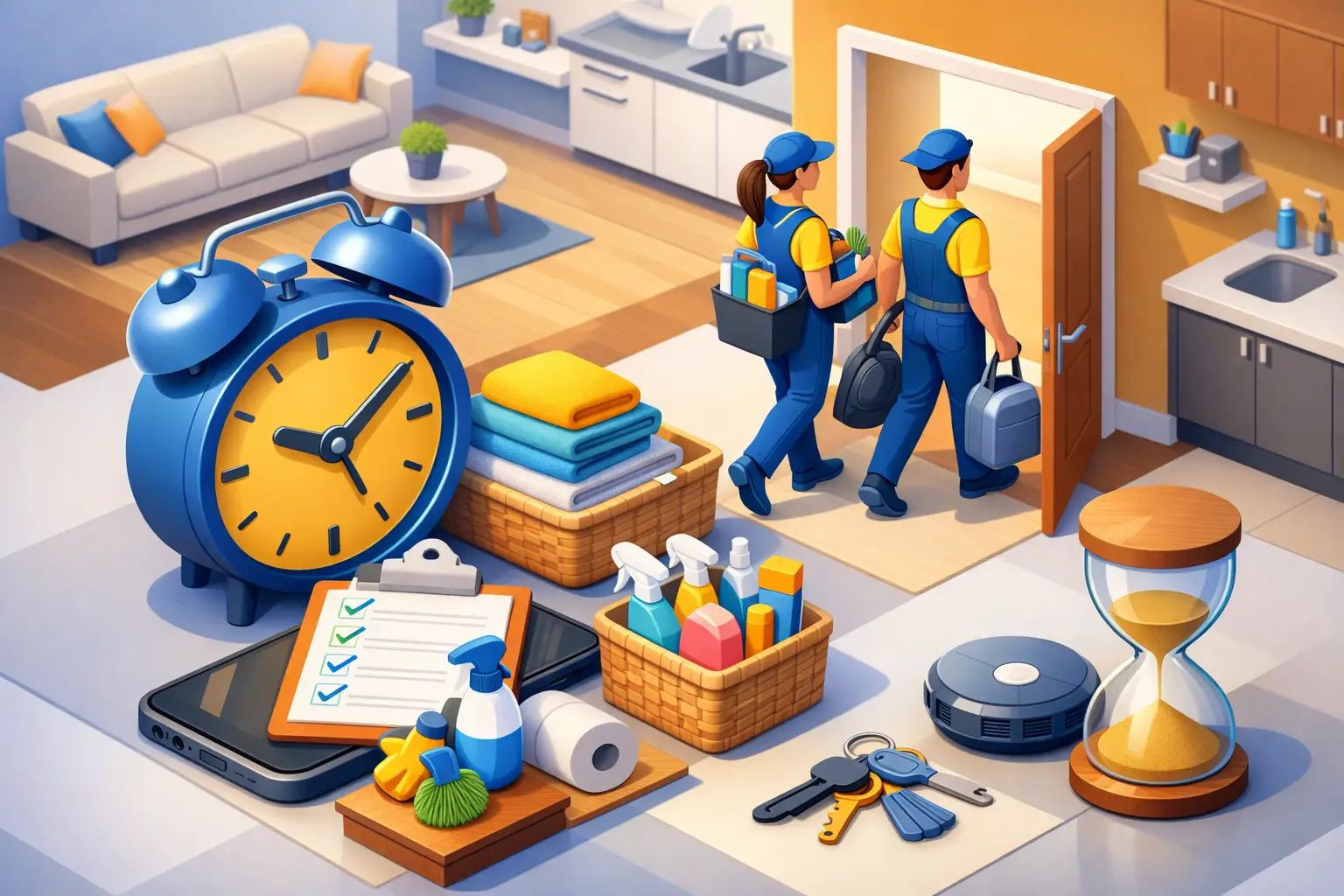
A cleaning appointment should remove items from your to-do list, not create a new project the night before. Knowing how to prepare for cleaners means making a few practical decisions about access, priorities, and personal belongings so your home receives the attention it needs without asking you to spend hours getting ready first.
The goal is not to clean before your cleaning team arrives. It is to make the home easy to clean and to give the team clear direction. A quick, focused reset helps protect your belongings, prevents missed areas, and makes your booked time more productive.
How to Prepare for Cleaners: Start With Priorities
Every home has a different definition of clean. One household may care most about a polished kitchen and bathrooms, while another needs help managing pet hair, kid-friendly floors, or a crowded entryway. Before the visit, decide which rooms and tasks will make the biggest difference to your week.
If you have booked a routine cleaning, the best approach is usually to let the team follow the service scope while flagging one or two areas that need extra attention. For example, you might note that the primary bathroom needs a more detailed refresh after a busy week, or that the kitchen floors have seen heavy use. A short, specific note is more useful than a long list of vague preferences.
For a first visit or a deeper clean, expectations may be different. Homes with more buildup, multiple pets, or spaces that have not been cleaned recently can require additional time. Be candid about the home’s condition when booking and communicate any concerns before the appointment. Clear information supports better scheduling and a more dependable result.
Tidy What Blocks the Surfaces
Cleaners can wipe counters, vacuum floors, and clean sinks far more effectively when those areas are reasonably accessible. That does not mean folding every blanket, sorting every drawer, or making the house look perfect. It simply means removing the everyday items that prevent cleaning from happening.
Take ten to fifteen minutes to clear dishes from the sink, move paperwork off desks, pick clothing up from the floor, and put toys into a basket or designated area. If bathroom counters are covered with products, set aside the items you use daily or place them in a cabinet. This small reset gives your cleaning team access to the surfaces you want cleaned.
There is a useful distinction here: tidying is about moving belongings; cleaning is about removing dust, grime, and buildup. Your time is better spent on the first. Do not vacuum, scrub the shower, or wipe every counter unless you genuinely want to. Save that effort for something more valuable to you.
Put Away Fragile and Personal Items
A professional cleaner will work carefully, but fragile objects and highly personal belongings are best stored before the visit. Put jewelry, cash, important documents, medications, sensitive mail, and small collectibles in a secure place. This is not a reflection on the people entering your home. It is a simple household practice that creates clarity and peace of mind for everyone.
You may also want to move items with special care requirements, such as heirlooms, delicate décor, or electronics with loose cords. If there is an item that should not be moved or cleaned, leave a clear note nearby or mention it in advance.
Make Access Easy and Instructions Clear
A well-prepared appointment begins before anyone reaches the front door. Confirm the arrival window, entry method, parking details, and any building instructions ahead of time. For apartment buildings, condos, or gated communities, consider whether the team will need a gate code, call box access, elevator reservation, visitor parking pass, or front-desk authorization.
If you will be home, decide whether you prefer to greet the team and then leave, work from a separate room, or remain available for questions. All can work well. If you will be away, provide the approved entry instructions through the booking system or agreed communication channel rather than leaving sensitive details in an unsecured location.
Keep instructions short and practical. Note a tricky lock, a door that sticks, an alarm process, or a room that should remain closed. If your home has areas that are off-limits, say so plainly. Professional service works best when boundaries are clear from the start.
Plan for Pets and Children
Pets are part of the household, but they can make a cleaning visit more complicated. Some are nervous around vacuums, unfamiliar people, or the sound of cleaning tools. Others are friendly but eager to follow every movement from room to room.
If possible, arrange for pets to be in a comfortable, secure area while cleaning is underway. Let the team know about any pets in the home, including whether they may be startled, territorial, or likely to slip through an open door. Provide any useful instructions about gates, feeding areas, litter boxes, or rooms to avoid.
For households with children at home, the practical question is how much space the team will have to work. A nap schedule, a remote-work meeting, or an afternoon at home does not have to cancel a cleaning appointment. It may simply mean prioritizing certain rooms first or keeping one area undisturbed. A little coordination prevents disruption on both sides.
Prepare for Cleaners With the Right Expectations
Professional cleaning creates a noticeable reset, but it is not the same as organizing, laundry service, home repair, or restoration work. It helps to understand what falls within your selected service and what may need to be requested separately.
For example, a cleaner can clean around a collection of items, but organizing those items into systems is a different task. A cleaner can remove ordinary surface dust, but permanent marks, damaged finishes, hard-water etching, and old stains may not fully lift. If you are concerned about a specific issue, mention it early. The team can assess the area and use the appropriate approach within the service scope.
The same applies to specialty surfaces. Natural stone, unfinished wood, antique finishes, and certain appliances may require specific products or techniques. Share any care instructions you have, especially if a surface has been treated or is easily damaged. In most cases, clear guidance is more useful than asking the team to guess.
Set Up the Home for an Efficient Visit
A few simple conditions make a meaningful difference during the appointment. Ensure water and electricity are on, and make sure the thermostat is set to a comfortable temperature. If a room is unusually cluttered or inaccessible, consider whether you would rather have the team focus their time elsewhere.
It can also help to leave out only the products you want used, if you have a preference. Many homeowners are happy for the cleaning team to bring standard supplies; others prefer fragrance-free products or have a household member with sensitivities. Share those requirements before the appointment rather than after cleaning has started.
If you work from home, plan around noise. Vacuuming, moving chairs, and kitchen cleaning naturally create sound. Block a meeting room or schedule important calls outside the portion of the visit when that area will be cleaned. This is a small adjustment that protects your workday while allowing the team to finish efficiently.
Use the First Visit to Build a Better Routine
The first appointment is often where preferences become clear. You may realize you want the kitchen addressed before the bedrooms, that one bathroom needs more regular attention, or that a monthly deep clean paired with lighter recurring visits fits your household better. These details are useful, not fussy.
Keep a brief record of what worked well and what you would like adjusted next time. With a structured booking experience like Sparkly Squad’s, managing appointment details and preferences can become part of your regular home routine rather than another administrative task to remember.
Avoid trying to solve every cleaning need in a single visit. A realistic recurring schedule, shaped around your household’s actual habits, is usually more effective than an occasional marathon clean. The right cadence depends on the number of people in the home, pets, work schedules, entertaining, and how much daily upkeep you want to handle yourself.
A Simple Pre-Visit Routine
The evening before or morning of your appointment, walk through the home once. Clear the main surfaces, secure personal and fragile items, confirm access instructions, and make sure pets have a plan. Then leave the rest to the professionals.
A well-prepared home is not a spotless home waiting to be cleaned again. It is a home with clear priorities, open surfaces, and a household routine that respects your time. When those pieces are in place, you can return to a space that feels calmer, more ordered, and ready for the life happening inside it.