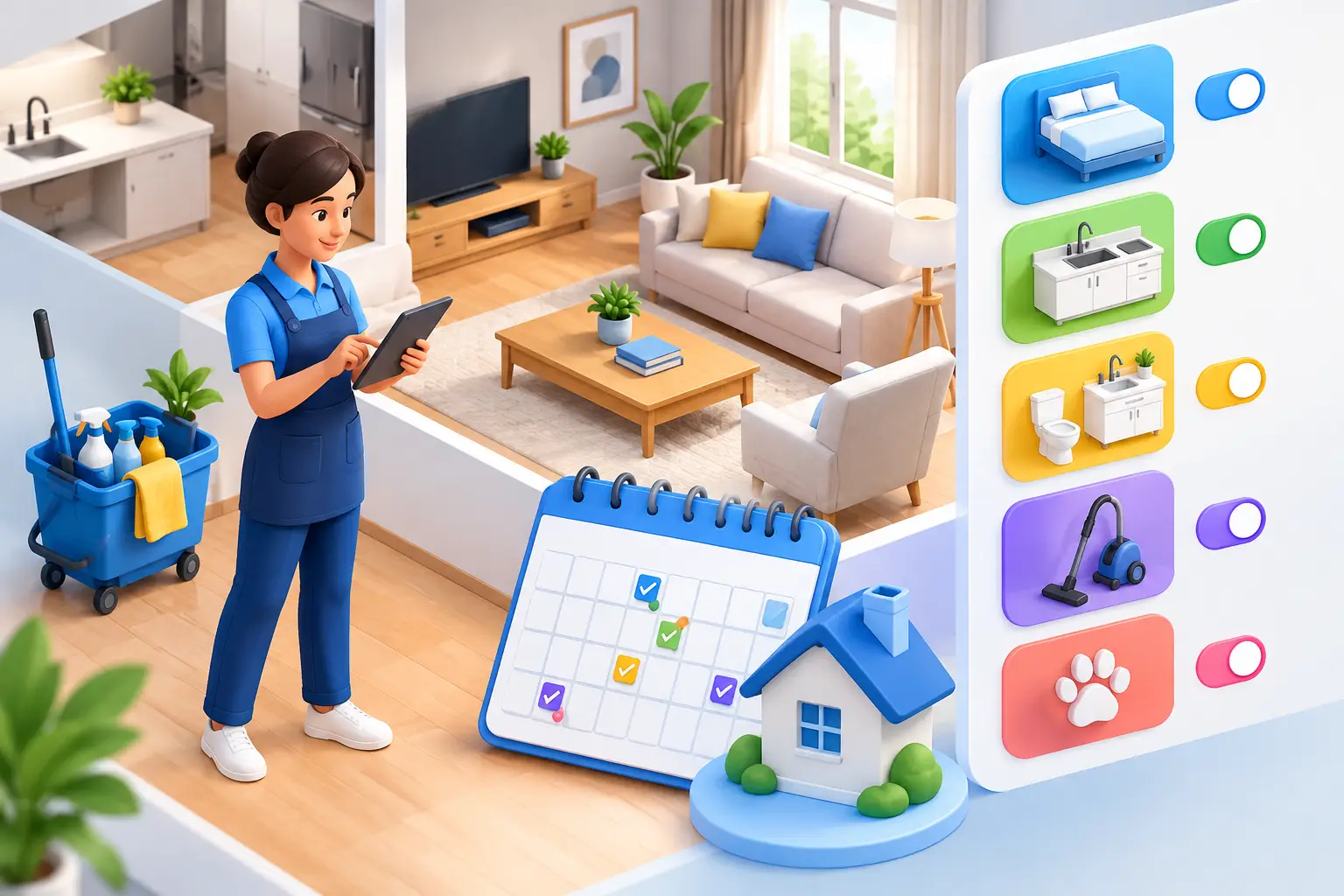
A kitchen that looks polished but a shower that still needs attention does not feel like a clean home. The best cleaning plan is not built around a generic checklist. It is built around the rooms, routines, and details that affect your household most. Learning how to customize cleaning visits gives you more control over the result without adding more to your own to-do list.
For a busy household, customization is less about requesting every possible task and more about making thoughtful choices. When your cleaning team understands what matters most, each visit can support a home that feels organized, comfortable, and ready for real life.
Start With the Result You Want From Each Visit
Before choosing individual tasks, consider what you want to notice when you walk through the door after a cleaning. Some homeowners want a consistently guest-ready first floor. Others want relief from high-use spaces: the kitchen after a week of family meals, bathrooms used by children, or pet areas that need frequent attention.
A clear outcome helps determine where the time and effort should go. If mornings feel rushed because the kitchen gets out of hand, prioritize counters, sinks, appliance exteriors, and floors. If you work from home, a clean office and dust-free surfaces may make a greater difference than a perfectly detailed formal dining room.
Think about which areas create the most visual clutter, require the most daily upkeep, or cause the most stress when they are neglected. Those rooms deserve a place at the center of your plan.
Separate recurring needs from occasional work
Some tasks belong on nearly every visit. Others are better handled periodically. Recurring tasks often include bathroom cleaning, kitchen cleaning, vacuuming, mopping, dusting, and tidying accessible surfaces. Occasional work may include cleaning inside the refrigerator, interior cabinets, baseboards, blinds, or a particular room before guests arrive.
This distinction keeps regular appointments focused. Asking for detailed baseboards at every visit may not be the best use of time if the primary bathroom and kitchen need more consistent care. On the other hand, a monthly or seasonal detail request can prevent those less visible areas from becoming a larger project later.
How to Customize Cleaning Visits by Priority
A practical plan has tiers. Start with the non-negotiables, then identify the tasks that are helpful when time allows, followed by the work that can rotate from one visit to the next.
Your non-negotiables are the areas that should receive attention every time. For many homes, that means the kitchen, bathrooms, floors, and commonly used living spaces. Your second tier may include bedrooms, home offices, stairways, or laundry areas. Rotating tasks can cover details such as a patio door, ceiling fans, under-furniture areas, or a guest room that is only used occasionally.
This approach is especially useful when household needs shift. During a busy work period, you may want the visit centered on maintenance. Before hosting family, you may shift the focus toward the entryway, guest bathroom, dining area, and visible surfaces. The service remains dependable, but the emphasis changes with your life.
When you share priorities, be specific about the order of importance. “Please focus on the upstairs bathrooms before the guest room” is more useful than “clean upstairs.” Clear direction helps a cleaning professional make sound decisions if a visit has limited time.
Match Your Cleaning Frequency to Your Real Routine
The right cadence depends on how quickly your home accumulates activity, not on an idealized standard of housekeeping. A household with children, pets, frequent cooking, or several people working from home may benefit from more frequent visits. A smaller household that travels often or uses only part of the home may need less frequent service with deeper attention during each appointment.
Weekly service can make sense when maintaining order is the main goal. Biweekly visits often work well for households that manage light upkeep between appointments. Monthly cleaning may be appropriate for lower-traffic homes, although those visits may need a more targeted scope to address built-up work.
Frequency and depth are connected. If visits are farther apart, consider allocating more time to bathrooms, kitchen buildup, floors, and dust-prone areas. If visits are frequent, a lighter maintenance approach may leave room for rotating details. There is no single right schedule - only the one that reliably supports your household.
Share the Details That Help Your Team Work Well
Good customization depends on useful context. A cleaning team does not need every detail of your day, but a few practical notes can make the appointment more efficient and comfortable for everyone.
Let your provider know about pets, access instructions, parking considerations, rooms that should be skipped, and surfaces requiring special care. Mention whether anyone will be working from home, whether a baby is napping during a particular window, or whether there are areas where cleaning products should not be used. These are not minor preferences. They shape how a visit can be planned and completed.
If you have delicate finishes, natural stone, specialty appliances, or sentimental items, communicate that clearly. The same is true for products. Some homeowners prefer fragrance-free options, while others have allergy considerations or a strong preference for particular product types. Preferences are most useful when they are stated before the visit rather than corrected afterward.
A concise set of notes is usually better than a long, changing list. Keep instructions current, especially after a move, renovation, new pet, or schedule change.
Plan Around the Moments That Matter
Cleaning visits can do more than keep a home presentable. They can support the parts of your calendar that create the most pressure. Schedule an extra focus before a birthday gathering, after a holiday weekend, before houseguests arrive, or during a demanding work season.
You can also tailor visits to the rhythm of your household. Families may prefer service after the busiest days of the week, when kitchens and bathrooms need the most recovery. Professionals who host video calls may prefer an appointment before a major presentation or client meeting. If you leave town regularly, a visit shortly before your return can make coming home feel far more settled.
A modern booking experience makes these adjustments easier to manage. With Sparkly Squad, homeowners can keep appointments and service details organized without turning cleaning coordination into another household task.
Review the Plan After the First Few Visits
Customization is not a one-time decision. The first two or three appointments often reveal what works in practice. You may find that the living room stays tidy but the laundry area needs more attention, or that a rotated detail is more valuable than a task you initially considered essential.
After each early visit, ask a few simple questions: Did the home feel better in the areas that matter most? Did any room still create work for you? Was the level of detail appropriate for the time between appointments? Small adjustments can produce a noticeably better experience.
Try to provide feedback promptly and constructively. If a priority was missed, explain the desired result rather than simply saying the area was not clean. For example, “Please include the inside of the microwave in the kitchen focus” gives a clear instruction for the next visit.
Avoid Overcustomizing Every Appointment
Personalization should create clarity, not turn a cleaning visit into an impossible checklist. When every task is marked urgent, the work can lose focus. A realistic plan recognizes time, the size of the home, and the level of detail requested.
It also helps to distinguish between cleaning and organizing. Cleaning professionals can maintain surfaces and rooms effectively, but extensive decluttering may need to happen before the visit or be discussed as a separate request. Clearing clothing, paperwork, toys, and personal items from key surfaces gives the team better access and helps deliver a more thorough result.
The strongest plan leaves room for common sense. Set clear priorities, communicate meaningful preferences, and allow the service to apply its professional routine to the rest. A customized cleaning visit should feel elegant in its simplicity: your home receives the care it needs, and you get more time back for everything else.